TAYOGEN Energy Solutions

Subscribe to the latest updates.

Follow Us

Contact Us47.238.96.125:3010

Home

  • Product
  • Solutions
  • System Integration
  • Why Choose Us

Products

  • Solar power supply system
  • All-in-one machine
  • Pole-mounted system
  • Supporting equipment

Solutions

  • Forest fire prevention
  • Hydrology and water conservancy
  • Smart agriculture
  • Smart transportation

About Us

  • Company Introduction
  • Factory Strength
  • Qualification Certifications

© 2026 TAYOGEN Energy Solutions. All rights reserved.

English
TAYOGEN Energy Solutions
Home
Products
Solutions
About Us
  • Photovoltaic Panel
  • Controller
  • Photovoltaic Support Structure
  • Set Up Poles
  • Waterproof Box
  • Reverse Control All-in-one Machine
  • Lithium Iron Phosphate Battery
  • System Components
10W10W20W20W30W30W50W50W60W60W80W80W100W100W120W120W150W150W200W200W250W250W300W300W450W450W540W540W550W550W
Forest Fire MonitoringForest Fire MonitoringSmart AgricultureSmart AgricultureSmart MineSmart MineCommunication Base StationCommunication Base StationHydrology and Water ConservancyHydrology and Water ConservancySmart TransportationSmart TransportationOilfield MonitoringOilfield MonitoringGeological Disaster MonitoringGeological Disaster Monitoring

Hydrology and Water Conservancy Power Supply System

Round-the-clock power for water level, rainfall and flow monitoring stations.

Supports customizationTechnical Support

Overview of the Plan

Power supply system plan

System Background

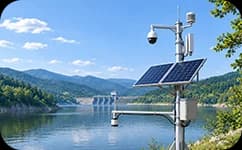
Water level, rainfall and flow stations are spread along rivers, reservoirs and canals, often in places the grid does not reach. Flood season is exactly when data matters most and when the grid is most likely to fail.

A solar power supply system gives hydrological stations independent, stable power, so data keeps flowing to the control center during storms and long cloudy periods.

Composition of Power Supply System

Reliable energy solutions wherever power is needed.

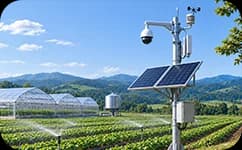
The system serves water level gauges, rain gauges, flow meters, cameras and wireless data transmission units at monitoring stations. Power comes from photovoltaic panels and lithium batteries sized for several days of autonomy.
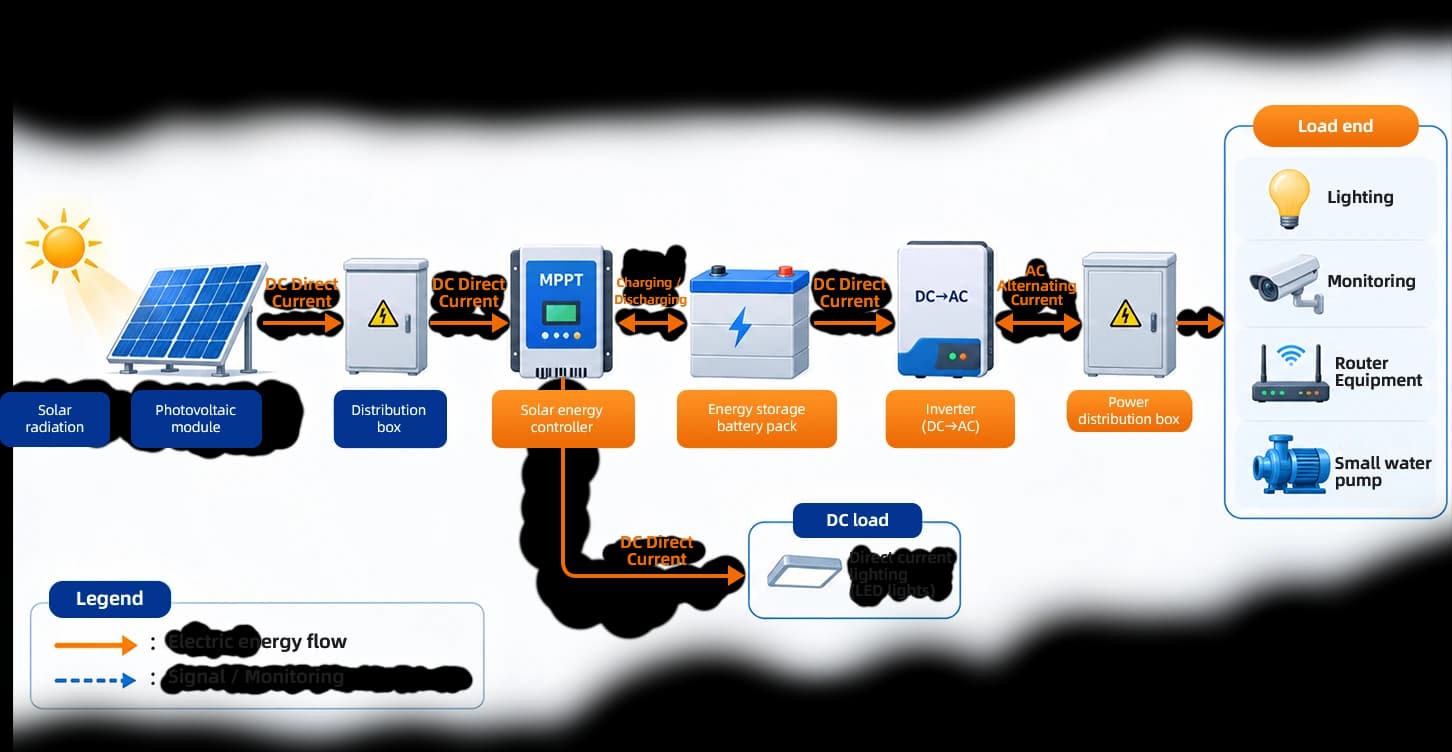
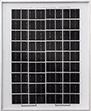
Hydrology and Water Conservancy system composition